When time comes marching in with its fierce cold or intense heat, we all seek shelter in the comforts of our home. Yet, how comforting is a home that’s chilling to the bone in winter and boiling hot during summer? The secret weapon to enhance your indoor comfort while clutching the trophy for energy efficiency lies within what separates you from those harsh elements: your home insulation. In this ultimate guide, we’re diving deep into the world of Fiberglass Batts Insulation. We’ll illuminate not only what it is but how it can be your game changer in creating a home that embodies optimum comfort and energy efficiency.
Fiberglass batt insulation maximizes comfort in homes by providing thermal performance, reducing drafts, and regulating temperature. It helps create a consistent living environment by minimizing heat transfer, dampening sound transmission, and improving indoor air quality. With proper installation, fiberglass batt insulation can enhance overall comfort and create a more energy-efficient home.
Understanding Fiberglass Batt Insulation
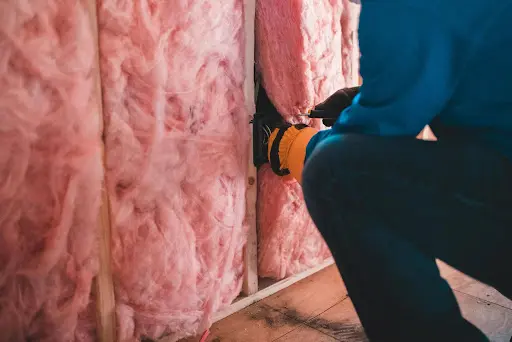
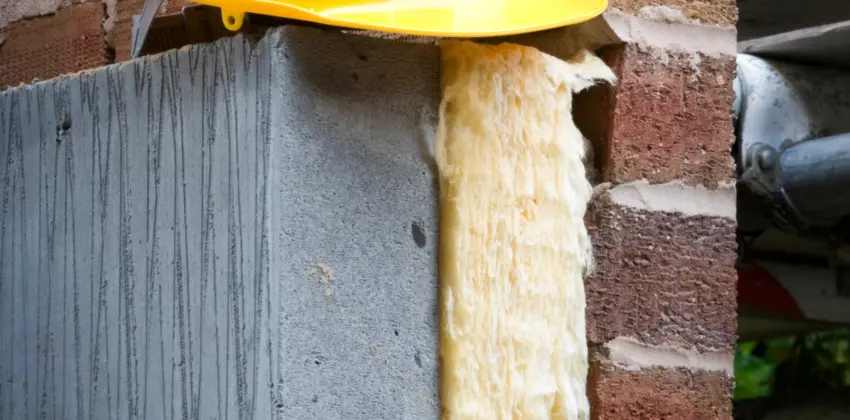
Fiberglass batt insulation is a flexible, lightweight insulation material made of tiny glass fibers. These fibers trap pockets of air that reduce heat transfer by conduction and convection, providing thermal resistance. The result is a more energy-efficient home with increased comfort levels throughout the year.
Fiberglass batt insulation comes in pre-cut, flat pieces resembling small blankets. It is ideal for both interior and exterior walls, attics, floors, and ceilings, providing thermal performance and reducing energy consumption. When choosing batt insulation, consider the desired R-value for your climate zone and the specific areas to be insulated. Opting for insulation with a higher R-value is essential to combating hot summers and cold winters.
- Fiberglass batt insulation is a highly recommended option for homeowners looking to improve energy efficiency and comfort levels in their homes. Made of tiny glass fibers, this flexible and lightweight insulation material traps air pockets that reduce heat transfer by conduction and convection. By installing fiberglass batt insulation in walls, attics, floors, and ceilings, homeowners can significantly reduce energy consumption and create a more comfortable living space throughout the year. When selecting batt insulation, it is important to consider the desired R-value for your specific climate zone and areas to be insulated. Opting for insulation with a higher R-value will help combat extreme temperatures, ensuring year-round thermal performance.
The Role and Benefits of Fiberglass Batt Insulation
Batt insulation makes homes comfortable all year round by regulating temperature, reducing drafts, dampening sound transmission, and creating a consistent living environment indoors. Proper installation ensures no gaps are left in unsealed or overcompressed insulation, leading to excessive moisture buildup.
Beyond temperate regulation benefits, fiberglass batts also contribute to soundproofing by absorbing and reducing sound transmission between rooms or external sources such as traffic and noisy neighbors. This creates a quieter home environment with enhanced privacy.
You just might have experienced this when you had an important online meeting disrupted by construction noise outside; having fiberglass batts insulation installed could prevent this in future occurrences.
The financial benefits of using fiberglass batt insulation cannot be overstated; it yields long-term financial gains through energy savings. By improving thermal efficiency and reducing heat transfer, the insulation significantly reduces heating and cooling costs. In some cases, fiberglass batts can reduce air conditioning needs by up to 50 percent.
Additionally, it’s essential to note that fiberglass batt materials are often made from recycled or sustainable materials, reducing the demand for new resources. They help conserve energy by reducing heating and cooling requirements, minimizing HVAC system use, and thereby reducing the carbon footprint.
Customizing Fiberglass Batts Insulation for Efficiency
Fiberglass batt insulation is a versatile solution that can be customized for different areas of your home or building. This customization maximizes efficiency and reduces energy consumption, making it an excellent choice for homeowners seeking to save money on utilities while staying comfortable throughout the year.
Customization also involves choosing the appropriate thickness and width of the batts. The materials for insulation are pre-cut into standard lengths and widths suitable for wall studs (16” or 24” centers) and ceiling/floor joists (24” centers). However, installers can customize these dimensions or cut them on site to fit rare configurations.
Apart from size customization during installation, homeowners can ensure proper airflow around insulation with vented soffits, ridge vents in attics, and careful sealing around fixtures such as light fixtures or ceiling fans. These steps further enhance the thermal efficiency of fiberglass batt insulation.
Batts for Attic Insulation
Attic insulation plays a major role in regulating temperature within a home. Fiberglass batt insulation is an excellent option for attic insulation. Most homeowners opt for fiberglass batt insulation because it offers easier access to the attic when maintenance needs arise while being dust-free compared to blown-in cellulose options.
When selecting a fiberglass batt option for your attic, consider factors like the desired R-value (a measure of thermal resistance), whether continuous unvented attics are allowed in your area, ventilation requirements and other specifics unique to the roofing system.
It’s important to hire a professional installer who has the necessary experience and knowledge to ensure correct installation techniques, safety precautions, building code adherence and minimize moisture buildup risks typically associated with DIY installations.
Proper installation of fiberglass batt insulation in your attic contributes to enhanced home comfort. Fiberglass batt insulation reduces drafts and sound transmission and ensures consistent temperature control throughout the year while conserving energy.
Batts for Wall Insulation
Before delving into the installation and maintenance process for fiberglass batt insulation, it’s crucial to understand the proper use and application of these materials in wall and ceiling cavities.
Batts for Ceiling Insulation
Fiberglass batt insulation is ideal for both interior and exterior walls. It comes pre-cut in flat pieces that fit between wall studs and remain in place with friction; no adhesive or other retention systems are needed. When installing fiberglass batts on walls, it’s important to ensure a tight fit while avoiding compression, which reduces their thermal performance. Proper installation techniques mitigate any potential gaps that would allow convection or airflow over the insulation.
Proper installation improves thermal performance by reducing unnecessary air movement within cavities, making it a more reliable insulation material.
Professional Installation and Maintenance of Fiberglass Batts Insulation
To ensure maximum efficacy of fiberglass batts insulation, it’s imperative to prioritize proper installation and regular maintenance. While installing insulation might seem simple, hiring a professional ensures adherence to building codes and safety protocols while minimizing the risk of creating gaps, compressing, or accumulating moisture buildup.
It’s important to factor in regular maintenance to ensure the long-term effectiveness of fiberglass batt insulation. Regular inspection of your insulation’s condition is crucial in detecting any loosening or sagging that might have occurred over time; addressing such issues quickly maintains your investment’s efficiency.
It’s also recommended that homeowners patch gaping spaces surrounding doors and windows and plug air leaks thoroughly to maintain thermal efficiency. Basic upkeep measures like vacuuming off attic spaces regularly can enhance indoor comfort, reduce dust accumulation, and prevent harmful microbes’ growth.
| Maintenance Steps | Description |
| Visual Inspection | Inspect for any loosening, sagging or movement detected in the insulation over time |
| Ventilation Assessment | Ensure sufficient ventilation where required; stale air may cause mold buildup |
| Air Leak Detection | Plug all visible gaps surrounding fixtures like windows & doors that may let in warm/cool air |
| Moisture Detection | Moisture issues should be addressed promptly, lest they lead to mold growth or insulation degradation |
| Vacuuming | Vacuuming up attic spaces removes harmful microbes, dust accumulation, and debris |
Proper maintenance ensures your family’s wellbeing by maintaining air quality, energy efficiency, and reducing the risk of mold growth. As with any aspect of homeownership, committing to routine maintenance helps prevent excessive wear and tear on home infrastructure and enhances its lifespan.
While it may seem cost-effective to DIY, professional installation and maintenance can ensure optimal performance while avoiding costly mistakes. Not only is safety paramount here (installers are professionally trained in ensuring their work is safe), but lack of expertise and the right tools could cause damage where areas like attics are concerned.
Professionally installed fiberglass batts perform better in the long run as opposed to DIY methods. This not only protects the investment in your home’s comfort but also maximizes energy efficiency while reducing adverse environmental impacts. Remember that a regular check-up with a certified installer will keep your insulation in good condition for many years to come.
Wrap Up: Your Path to Cozier Living with Fiberglass Batt Insulation
Now that you’re armed with the knowledge of fiberglass batt insulation, take the next step towards a snugger, more energy-efficient home. Contact Efficiency Plus today to explore your options and start maximizing comfort while minimizing energy costs with fiber batts insulation. Don’t let drafts and high utility bills chill your home—make the switch and experience the warmth and savings firsthand!