When you think about making your home healthier, insulation might not be the first thing that comes to mind. Most people focus on staying warm in winter or cool in summer, but good insulation does much more. It actually helps clean the air inside your home. By blocking tiny gaps and cracks where dust, pollen, and other pollutants sneak in, insulation creates a cleaner, safer space to breathe.
Insulation improves indoor air quality by sealing gaps and cracks in walls, attics, and crawl spaces, which reduces the infiltration of outdoor pollutants, allergens, and moisture. By preventing drafts and controlling humidity, high-quality insulation also helps inhibit mold growth and maintains a healthier, more comfortable indoor environment.
Key Takeaways
- Effective insulation can reduce indoor airborne pollutants by up to 60%, according to EPA research, making a significant difference for allergy and asthma sufferers.
- Proper air sealing combined with quality insulation blocks outdoor contaminants like vehicle exhaust, pollen, dust, and industrial pollutants from entering your home.
- Moisture control through insulation prevents mold growth by limiting condensation in wall cavities and maintaining optimal humidity levels between 30% and 50%.
- Better insulated homes use 30% less energy for heating and cooling, which means less HVAC runtime and fewer outdoor pollutants being drawn inside.
- Sound insulation indirectly improves air quality by encouraging homeowners to keep windows closed, further limiting the entry of outdoor allergens and pollutants.
How Insulation Blocks Outdoor Pollutants
Poorly insulated spaces allow outside pollutants like vehicle exhaust, pollen, dust, and industrial contaminants to sneak inside through cracks and gaps. This infiltration makes indoor air dirtier than it should be, triggering allergies or respiratory problems over time.
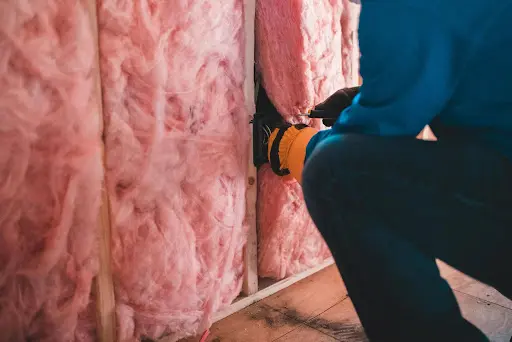
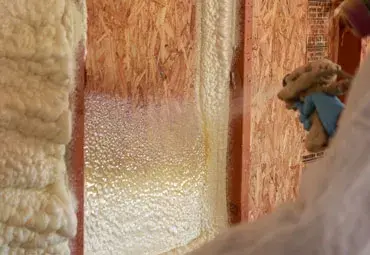
Proper insulation combined with thorough air sealing acts as a protective barrier. It limits these invasions by closing off entry points that outdoor airborne particles use to enter indoors. Homes insulated with high-quality spray foam or properly installed cellulose insulation drastically restrict this unwanted airflow compared to older insulation types.
Research from the U.S. Environmental Protection Agency supports this: effective insulation and air sealing can reduce indoor airborne pollutants by up to 60%. For families living with children or elderly members, this improvement can be transformative.
Why Spray Foam and Cellulose Work Best
Certain types of insulation offer unique benefits in the fight against poor air quality:
- Closed-cell spray foam not only seals gaps with a high R-value per inch but also resists moisture intrusion, preventing mold growth.
- Cellulose’s borate treatment provides natural resistance to pests and mold spores, helping maintain cleaner wall cavities.
It’s important to remember that insulation works best as part of an overall home health strategy. Ventilation must be balanced so that while pollutants are reduced, fresh air still circulates adequately.
Moisture Control Prevents Mold and Allergens
Moisture inside a home creates the perfect breeding ground for mold and mildew. These not only diminish air quality but can also lead to costly structural damage over time. Controlling moisture isn’t just about comfort, it’s fundamental to protecting your home and health.
How Modern Insulation Acts as a Moisture Barrier
Modern insulation materials like spray foam form a tight seal around walls, ceilings, and floors that significantly reduces uncontrolled airflow where moist air can enter. Closed-cell spray foam functions as an effective moisture barrier because its dense structure blocks water vapor from passing through.
Installing a vapor barrier alongside insulation is essential, especially in humid climates like South Georgia and North Florida. This layered approach maintains healthier humidity levels indoors year-round.
For the best comfort and health, keep the relative humidity inside between 30% and 50%.
Energy Savings Lead to Cleaner Indoor Air
Better insulated homes require less HVAC runtime, which means fewer cycles of pulling outside air inside and reducing the infiltration of airborne contaminants. This reduced air exchange leads to cleaner indoor environments along with energy savings.
The Connection Between Insulation and Air Quality
Every time your HVAC system compensates for air leaks, it’s drawing in new air from outside, which often carries dust, pollen, or other pollutants. By improving insulation, you create a more hermetic barrier that minimizes the volume of unfiltered outdoor air entering your living spaces.
Research from the University of Georgia shows that homes with proper insulation:
- Consume about 30% less energy for heating and cooling
- Show a 15% reduction in indoor particulate matter
These numbers reflect real improvements in health and comfort for families throughout South Georgia and North Florida.
Sound Insulation Improves Air Quality Indirectly
Materials like fiberglass and cellulose slow down heat transfer and act as effective barriers against noise. Their porous structures absorb sound waves, preventing them from bouncing around walls and rooms.
The Unexpected Air Quality Benefit
This quietness encourages people to keep windows and doors closed more often, further limiting the entrance of outdoor contaminants like dust, pollen, and vehicle exhaust. When windows stay closed due to reduced noise discomfort, outdoor pollutants simply don’t invade as readily.
At Efficiency Plus, nearly 7 out of 10 homeowners who upgraded their insulation reported that their homes became noticeably quieter and their air felt fresher and cleaner.
Choosing the Right Insulation Material
The choice of insulation directly influences how well your home blocks pollutants. Each type offers distinct advantages depending on your specific needs.
Spray Foam Insulation
Spray foam offers exceptional pollutant blocking because it forms a tight seal over walls and ceilings, preventing air leaks where contaminants slip inside. This same tightness controls moisture effectively, limiting mold growth. Its dense closed-cell structure provides excellent protection in humid climates like ours.
Fiberglass Insulation
Fiberglass excels at absorbing sound waves, making it ideal for areas where noise reduction is a priority. While its pollutant-blocking capabilities are good, fiberglass can allow small amounts of air and particles to pass if not properly installed or sealed. Its moisture resistance is moderate, so it may need additional vapor barriers in damp spaces.
Cellulose Insulation
Made largely from recycled paper treated with borates, cellulose is both eco-friendly and capable of excellent sound absorption and moisture resistance. It does an admirable job reducing airborne particles but can settle over time, potentially diminishing effectiveness unless topped up regularly.
Choosing the best insulation depends on local climate conditions, the specific part of your home being insulated, budget considerations, and personal sensitivities. Consulting with professionals ensures you select materials that protect your indoor air without sacrificing energy efficiency.
The Importance of Proper Air Sealing
Hidden gaps and cracks let unconditioned air sneak inside, creating invisible pathways for dust, allergens, and outdoor pollutants. When you seal these leaks effectively, you block airborne irritants at their source.
How to Identify and Seal Air Leaks
Tools like thermal cameras or simple smoke tests reveal where drafts infiltrate your home’s envelope. Once leaks are mapped out, sealing involves:
- Applying caulk around window frames and doorways
- Weatherstripping movable parts
- Using expanding foam in wider cracks
These measures dramatically cut down on drafts and prevent dusty outside air from entering the home. Combined with properly installed insulation, this approach can reduce energy loss by up to 50% while maintaining cleaner indoor air year-round.
One client from Albany shared, “After sealing all the cracks around our windows and doors and upgrading our attic insulation, we didn’t just notice lower energy bills. We actually felt the difference in air quality. The stale stuffiness was gone. Our whole family breathed easier.”
Conclusion
Proper sealing paired with professionally installed insulation transforms your home’s energy efficiency and creates a healthier indoor environment for your family. By blocking pollutants, controlling moisture, reducing HVAC runtime, and limiting outdoor contaminants, quality insulation delivers cleaner air, greater comfort, and long-term savings.
At Efficiency Plus, we’ve spent over 20 years helping homeowners across South Georgia and North Florida combine air sealing with state-of-the-art insulation methods for superior results.
Ready to improve your home’s air quality and energy efficiency? Request your free evaluation today and discover how the right insulation solution can transform your home.
Frequently Asked Questions
Does insulation really improve indoor air quality?
Yes, insulation significantly improves indoor air quality by sealing gaps and cracks that allow outdoor pollutants, dust, pollen, and allergens to enter your home. According to EPA research, effective insulation and air sealing can reduce indoor airborne pollutants by up to 60%. When combined with proper ventilation, insulation creates a cleaner, healthier breathing environment while preventing moisture buildup that leads to mold growth.
What type of insulation is best for improving air quality?
Spray foam insulation offers the best air quality benefits because it creates an airtight seal that blocks pollutants and moisture intrusion. Closed-cell spray foam acts as both an insulator and vapor barrier, preventing mold growth and keeping allergens out. Cellulose insulation is another excellent option, featuring borate treatment that naturally resists pests and mold spores. The best choice depends on your home’s specific needs, climate, and budget.
Can insulation help with allergies and asthma?
Absolutely. Proper insulation reduces allergen infiltration by sealing entry points for pollen, dust, and outdoor contaminants. Homes with quality insulation show a 15% reduction in indoor particulate matter, which can trigger asthma and allergy symptoms. Additionally, insulation helps control humidity levels, preventing mold and mildew growth that commonly aggravate respiratory conditions. Many homeowners report fewer allergy flare-ups after upgrading their insulation.
How does insulation prevent mold growth?
Insulation prevents mold by controlling moisture in two key ways. First, materials like closed-cell spray foam create a vapor barrier that blocks moisture from penetrating walls and ceilings, preventing condensation where mold thrives. Second, proper insulation maintains consistent indoor temperatures, reducing temperature differentials that cause moisture buildup. When paired with vapor barriers and proper ventilation, insulation keeps humidity levels between 30-50%, making conditions inhospitable for mold growth.
Will better insulation reduce the need for air purifiers?
Better insulation can significantly reduce your reliance on air purifiers by addressing air quality issues at their source. By sealing entry points for outdoor pollutants and reducing HVAC cycles that draw in unfiltered air, insulation minimizes the contaminants entering your home. While air purifiers remain useful for removing particles already inside, proper insulation means there are fewer pollutants to filter in the first place, creating a naturally cleaner indoor environment with less mechanical intervention needed.