
In the ever-evolving world of home efficiency, crawl space encapsulation stands as a must-know method to save money and energy. Understanding its integral role in moisture control and insulation can be quite liberating and powerful for any homeowner. Our ultimate guide will delve into the heart of crawl space encapsulation, revealing not just its benefits but how it could potentially transform your household’s comfort, health, and energy consumption. Prepare to explore everything, from the impact on indoor air quality to the considerable savings on your electricity bill.
Our comprehensive guide to crawl space encapsulation covers all aspects of this process, including its benefits, the materials required, step-by-step instructions for encapsulating your crawl space, and the long-term maintenance needed. Additionally, it provides insights into when encapsulation is necessary, whether to opt for professional or DIY encapsulation, cost considerations, and how encapsulation can positively impact your home’s value. Follow our guide to ensure a thorough job that protects against moisture issues, improves air quality, enhances energy efficiency, and maintains the structural integrity of your property.
Understanding Crawl Space Encapsulation
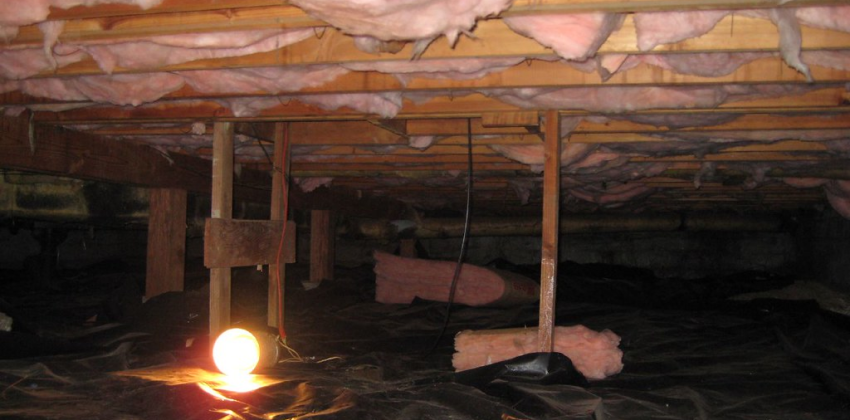
Crawl space encapsulation is one of the best ways to protect your home against moisture-related problems. It involves creating a barrier that separates the living spaces from the crawl space by sealing it with specialized materials, such as vapor barriers and insulation boards. By doing so, it prevents moisture, mold growth, wood rot, and pest infestation. Encapsulation contributes to better energy efficiency and significantly improves indoor air quality while protecting the structural integrity of the property.
Sealing Crawl Space with Vapor Barriers
Vapor barriers are crucial components in crawl space encapsulation due to their ability to inhibit moisture intrusion into the subflooring and walls of your crawl space. The barrier material, typically made of polyethylene sheets, is installed directly over any exposed soil surface or areas affected by condensation. The thickness of the material can vary depending on the extent of insulation required.
During installation, it’s critical to ensure that each section of material overlaps and is adequately sealed with waterproof tape to create an airtight seal. As water vapor tends to rise through most building materials, any seams or gaps in your vapor barrier will lead to high humidity levels in your crawl space area. Vapor barriers do not last forever; as such, they require routine checking for any signs of damage. Inspect them at least twice a year, especially after extreme weather conditions like floods or storms. Any visible damage should be immediately patched with waterproof sealing tape to help maintain your crawl space’s integrity.
Controlling Air Quality and Moisture
Crawl spaces are prone to high humidity levels and dampness due to their location. This can contribute significantly to indoor air quality concerns like mold growth, pest infestations, and increased dust mites. Moisture control is essential in crawl spaces since moisture can lead to adverse health problems for people in the house. It’s why crawl space encapsulation is becoming increasingly popular with homeowners, as it helps seal out moisture and improve indoor air quality. By installing insulation in this area, you create a barrier between your home and external humidity sources.
Advantages of Crawl Space Encapsulation
Crawl space encapsulation offers numerous benefits beyond moisture control and improved air quality. The advantages include:
- Energy Efficiency: Crawl space encapsulation can significantly enhance energy efficiency by reducing the amount of hot or cold air that enters your home. When a crawl space isn’t insulated sufficiently, it becomes an avenue for temperature fluctuations that can cause up to a 20% increase in heating or cooling costs. Encapsulating your crawl space will help maintain a consistent temperature in your living space without putting stress on HVAC systems.
- Enhanced Home Comfort: By effectively insulating your crawl space, the heat from your floors won’t escape through gaps or cracks in the floorboards during the winter months. You’ll enjoy cozier temperatures indoors throughout the year without experiencing drafts.
- Pest Control: An enclosed crawl space also discourages rodent and insect infestations that love dark and damp areas that are easy to access.
- Structural Protection: An encapsulated crawl space protects against wood rot, mold growth, and other environmental damage caused by dampness. These issues can weaken floor joists and other structural elements over time, causing havoc for homeowners.
Energy Efficiency and Home Comfort
Homeowners are increasingly seeking crawl space encapsulation as a solution to their moisture issues. When air and moisture penetrate the crawl space, it can lead to various issues like high energy bills, mold growth, and decreased indoor air quality. Encapsulation addresses these problems by preventing moisture from entering your crawl space, creating a more comfortable environment in your living area. Proper insulation decreases the workload on HVAC systems, translates into lower energy consumption, and contributes to an overall healthier home.
Preparing for Crawl Space Encapsulation
The first step before encapsulating a crawl space is to fully assess its condition. Signs of damage resulting from moisture ingress, such as rotting wood or mold growth on joists or subfloors, need addressing. It’s crucial to take appropriate measures before encapsulating so that existing damage doesn’t spread, causing more significant structural concerns down the line.
To better understand the extent of the damage, consider a professional inspection service that will help you identify any problem areas and suggest how best to address them. Next, thoroughly cleaning out your crawl space is essential before encapsulation. Remove any debris lying around since it won’t be helpful during installation and can also harbor pests or serve as potential fire hazards. You might also need to remove old, worn-out insulation that is no longer effective.
A checklist of materials required for encapsulation includes a vapor barrier like heavy-duty plastic sheets, waterproof tape, foam board insulation (if desired), and tools such as a utility knife and stapler. While encapsulation can be done on a DIY basis to save costs, it’s generally a job best left to professionals who have in-depth knowledge and experience with this particular procedure. Some of the advantages of hiring professionals include added assessments and warranties.
There are some critical decisions you’ll need to make regarding the costs associated with encapsulation. These prices vary depending on the size, the materials, and whether a professional company or a do-it-yourselfer installed them. Still, consider that the long-term savings in energy bills and avoiding future repairs can justify even the highest upfront costs.
The Encapsulation Process: DIY vs. Professional Services
As we have already established, crawl space encapsulation is a crucial measure that can significantly improve indoor air quality, energy efficiency, and structural damage caused by moisture buildup. While some homeowners prefer the DIY route to save money, others opt for hiring professional services.
So, what are the factors that influence this decision? For one, homeowners need to take into account the complexity of the job and their comfort level with home improvement tasks. While encapsulation seems simple in theory, execution often requires specialized tools and materials like insulation boards and waterproof tape. These supplies may not be readily available or affordable for a DIY project. Additionally, poorly executed encapsulation may cause more harm than good to your property.
On the other hand, professional encapsulation offers many added benefits. Professionals provide assessments and warranties to ensure you get your money’s worth while using high-quality, durable materials designed for crawl spaces. You can also rest assured knowing that professionals will do a thorough job given their experience and expertise. Ultimately, the choice depends on individual financial circumstances such as budget and preference for ensuring a comprehensive job, coupled with considering long-term savings in energy bills.
Maintenance of Encapsulated Crawl Spaces
Congratulations! Your crawl space is now encapsulated! But what happens after installation? Regular maintenance is essential to ensuring longevity and reaping all possible benefits from your investment.
Start by checking for leaks or any damage to the vapor barrier at least once a year. Any tears could allow moisture into your crawl space through gaps, which could result in mold growth or wood rot. It’s also important to inspect vents and external openings regularly and seal them correctly so that no new moisture enters enclosed spaces.
| MAINTENANCE TASKS | FREQUENCY | BENEFITS |
| Checking for leaks and damage to the vapor barrier | Annually | Prevents mold growth and wood rot. |
| Monitoring humidity levels | Quarterly or as necessary | Maintains consistent humidity levels in the crawl space |
| Inspecting Vents and External Openings | Annually | Keeps pests from entering enclosed areas. |
| Ensure the vapor barrier is securely fastened to the walls and floor. | Annually | Helps maintain temperature in crawl space |
If you detect a musty odor in your crawl space, this is a sign that encapsulation may have been improperly installed or that other moisture-related problems have occurred. In such cases, it’s important to have a professional inspect your crawl space. Remember, regular maintenance can prevent costly repairs in the future while providing years of benefits with minimal additional investment! Regular maintenance not only ensures the optimal longevity of your encapsulated crawl space but also positively impacts your home’s overall value.
Crawl Space Encapsulation at Efficiency Plus
Ready to transform your crawl space and experience the benefits of moisture control and insulation? Say goodbye to mold, pests, and high energy bills with Efficiency Plus! Don’t let your crawl space be a source of headaches and expenses any longer. Call us today at 229.403.9486 to schedule your consultation and take the first step toward a healthier, more efficient home. Let’s make your crawl space the ultimate ally in comfort and savings!

