Are you tired of dealing with high energy bills or uncomfortable temperature fluctuations at home? You’re most likely a victim of inefficient attic insulation, something that many homeowners overlook. In this comprehensive resource guide to mastering attic insulation, we underscore essential tips, cutting-edge techniques and key details to remarkably enhance your home’s energy efficiency. Get ready to say goodbye to bitter cold winters and sweltering summers inside your house. It’s time to unlock a new level of comfort and energy savings. Dive right in and learn how the correct approach to attic insulation can turn your abode into the epitome of energy efficiency!
“Attic Insulation Mastery: The Complete Resource” on our website is an extensive and authoritative guide that covers every aspect of attic insulation. It includes information on different insulation types, recommended levels of insulation for various climates, DIY installation tips, hiring professional installers, energy efficiency benefits, cost savings, and more. This resource serves as a one-stop reference for anyone looking to optimize their attic insulation and improve energy efficiency in their home.
Exploring the Benefits of Attic Insulation
Attic insulation is an essential aspect to consider when aiming for optimal energy efficiency in a home. Insufficient or aged insulation can increase energy bills and lead to temperature inconsistencies in various rooms. In contrast, a well-insulated attic ensures that heat neither escapes nor enters your home, thereby maintaining a comfortable temperature throughout the year.
Additionally, proper attic insulation can prevent ice dams from forming on the roof and reduce wear and tear on HVAC equipment.
For example, suppose your furnace was constantly overworking due to heat loss through the attic. In that case, it would lead to higher electricity costs, potential breakdowns, and expensive repair bills. Properly insulated attics prevent these scenarios by regulating the temperature your heating and cooling system has to maintain.
Impact on Energy Efficiency and Savings
Insufficient or aged attic insulation is one of the major contributors to high utility bills. As previously established, proper insulation ensures that heat neither escapes nor enters your home. Consequently, a well-insulated attic will keep the living spaces warmer during the winter and cooler in the summer while reducing reliance on HVAC systems.
Here’s a sample idea of how much you could save annually after installing attic insulation:
| Home Size | Annual Savings: |
| 1,200 sq ft | $200-$600 |
| 2,400 sq ft | $400-$1,200 |
| 3,600 sq ft | $600-$1,800 |
It is not uncommon for homeowners who invest in adequate attic insulation to recoup their investment within two years through lower energy bills. Coupled with sealing air leaks (another factor that erodes energy efficiency), optimal attic insulation leads to long-term savings and comfort inside the house.
Types and Selection of Attic Insulation
Your home’s attic insulation plays a vital role in maintaining the energy efficiency of your household. Beyond keeping you warm, it can impact your utility bills, indoor air quality, and even the longevity of your roof. With so much at stake, choosing the right insulation type is critical.
Factors to consider when selecting an attic insulation type include budget, material pros and cons, and your climate. While there are several options on the market boasting different R-values (a measure of insulation’s thermal resistance), some are better suited for specific climates than others.
Material Pros and Cons
As aforementioned, several insulation types exist. The following is a breakdown of their specific advantages and disadvantages:
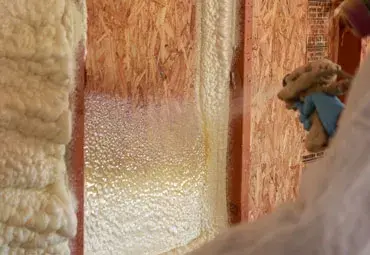
- Spray foam insulation offers an excellent R-value per inch, thus preventing thermal bridging and reducing noise infiltration as well as moisture intrusion. It is also relatively easy to install. Although DIY installation is less expensive, errors can lead to serious consequences.
- Rigid foam sheets or panels have the highest R-value per inch and good moisture resistance. They are lightweight and provide stronger roof support. Professional installation is recommended due to potentially harmful off-gassing.
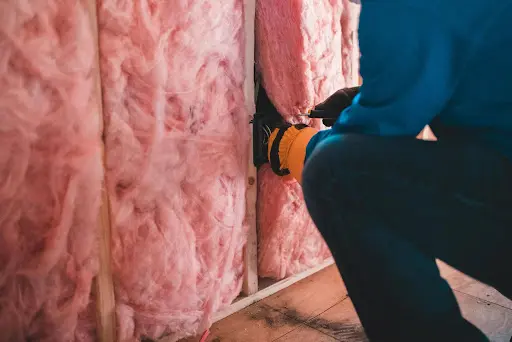
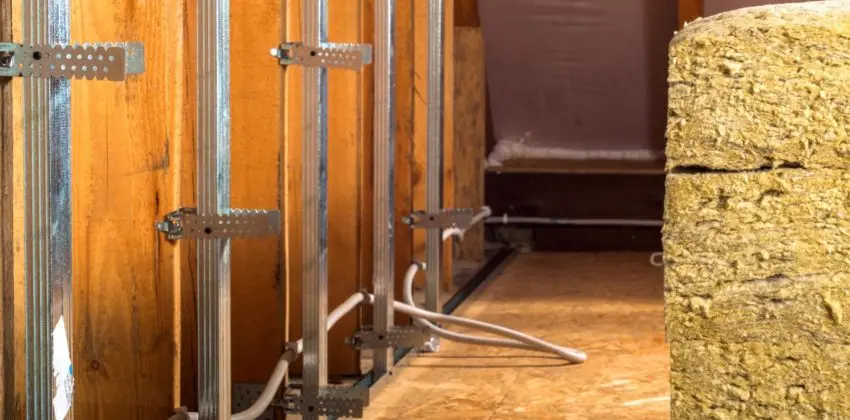
- Batt Insulation (fiberglass/rock wool), available in rolls or batts, produces good soundproofing effects but necessitates professional installation with caution against mishandling due to glass fiber’s toxicity.
- Loose-fill Insulation (cellulose/fiberglass) provides good coverage without leaving gaps enhanced sound proofing effect and made mainly of eco-friendly materials, which promote sustainability but has messy application processes and are prone to fungal growths when overexposed to moisture
Climate Considerations
Before installing attic insulation, you must consider the climate of the location. The amount of insulation needed varies from one region to another, depending on climatic conditions. In general, colder areas require higher R-values than warmer ones since cold air penetrates buildings more easily. R-value refers to resistance to heat transfer. It is dependent on the thickness and kind of material being used, with higher values indicating better performance.
Climate zone is a crucial consideration, as homes should be made comfortable year-round without excessive energy usage. Attics in hot climates need good ventilation and radiant barriers to prevent excess heat from penetrating the insulation barrier, while those in cooler regions may require vapor barriers and an emphasis on minimizing heat loss through enhanced R-values.
It is essential to take climate into account when making choices about attic insulation, as this helps ensure energy efficiency year-round while reducing expenses.
Installing Attic Insulation for Maximum Efficiency
The steps involved in installing attic insulation are critical for achieving optimal results that guarantee home comfort and energy efficiency. The first step entails assessing the space and examining the existing condition of the attic. This helps determine whether new installation should be placed over the current one or if a removal process would lead to better outcomes.
The next important step involves sealing any leaks or gaps in the roof and around vents with caulk or spray foam before moving on to bigger projects like insulating your ducts, sealing around chimneys or recessed light installations.
Once you’ve sealed everything up, it’s time for installation—selecting an appropriate type of insulation based on the climate and your preferences. The thickness of each layer must be calculated correctly to achieve maximum performance, so understanding the R-value is necessary.
For fiberglass batts, installation typically entails cutting them to fit snugly between joists while facing the vapor barrier side downward to prevent moisture condensation. For blown-in insulation like cellulose or loose-fill fiberglass, using an insulation blower machine is ideal for achieving even thickness throughout the attic.
While DIY may seem advantageous to some, professional installations are safer and more effective at preventing hazardous situations such as electrical mishaps or safety breaches that could cause injury.
Insulation installation costs vary. However, choosing green options may save homeowners money in the long run. Besides this, attic insulation contributes significantly to energy savings by reducing heat loss by up to 20%. These steps facilitate improving overall thermal performance and reducing heating and cooling expenses while promoting home comfort.
Establishing a Cost-Effective Insulation Plan
Establishing a cost-effective insulation plan is an essential aspect of optimizing energy efficiency and reducing heating and cooling expenses. However, selecting the appropriate insulation material for your attic’s unique needs can be difficult. Factors such as R-value and insulation type play a significant role in determining the amount of energy efficiency you can achieve. A cost-effective plan will focus on balancing your budget with optimal energy savings.
For instance, if you live in a hot climate, then the primary goal would be to keep cool air inside your home during summers rather than heat retention. In this case, opting for spray foam insulation may be a more effective option than traditional fiberglass or cellulose. It might also help seal any leaks in the attic that contribute to unwanted temperature fluctuations.
| Insulation Type | R-Value Per Inch | Professional Install Cost Per Square Foot |
| Loose-fill and blown-in insulation (cellulose, fiberglass, or mineral wool) | R-3 to R-4 | $1-$3 |
| Spray foam insulation (open-cell or closed-cell) | R-3.5 to R-6.5 | $3-$7 |
| Fiberglass batt and roll insulation | R-2.9 to R-3.8 | $0.40-$1.50 |
| Mineral wool batt and roll insulation | R-3 to R-4 | $1.40-$4 |
| Structural Insulated Panels (SIPs) | Variable | $17-$30 |
These figures are not fixed and are subject to change depending on location, season, availability of materials, contractors’ costs, etc.
Another factor to consider when establishing an insulation plan is ventilation. Proper airflow helps regulate indoor temperatures and prevent moisture buildup in your attic, leading to mold growth.
Suppose you’re unsure of what plan is most cost-effective for your home. In that case, it’s worth consulting professionals who can perform an energy audit and make recommendations based on your unique space and budget requirements. An expert may also identify air leaks or other inefficiencies you hadn’t previously considered.
Ultimately, establishing a cost-effective insulation plan requires careful consideration of many factors, such as climate, R-value, ventilation, and budgetary constraints. When done correctly with the help of experts, however, it can significantly contribute to reducing both heating and cooling costs while maximizing energy efficiency in your attic.
Achieve Energy Savings with Expert Attic Insulation
Maximize your home’s energy efficiency today by mastering attic insulation techniques with Efficiency Plus. Our expert tips and methods will help you create a more comfortable living space while cutting down on energy costs. Don’t let another season pass without improving your attic insulation. Contact Efficiency Plus now to schedule a consultation and discover how you can optimize your home’s insulation. Visit our website or call us to learn more and get started on your path to better energy efficiency. Let Efficiency Plus guide you towards a more sustainable and cost-effective home environment. Take the first step towards mastering attic insulation and enjoy the benefits for years to come.