Cellulose Insulation: An Eco-Friendly and Energy-Efficient Solution for Home Warmth
Ever strolled in a park during the winter and wondered how the trees managed to stay warm even in the bone-chilling cold? The answer is cellulose. Isn’t it fascinating that the same component that protects trees from frigid temperatures can also keep our homes cozy and warm? Welcome to the world of cellulose insulation, a stellar piece of nature’s technology that’s both eco-friendly and energy-efficient. Stick around if you want to cut down on outrageous heating bills while doing your part to save the environment!
Cellulose insulation offers several advantages. It is a green, efficient, non-toxic, and affordable thermal solution for homes. It effectively reduces heat loss through conduction and convection. Cellulose insulation is made of 80% post-consumer recycled newsprint, making it environmentally friendly and contributing to waste reduction. Additionally, it provides strong air-blocking properties and has been approved by all building codes, with independent tests confirming its fire safety.
Understanding Cellulose Insulation
When it comes to insulating your home, there are various options available on the market. However, not all insulation materials are created equal. Some may be more eco-friendly and energy-efficient than others. One such option that has been gaining popularity is cellulose insulation. But what exactly is cellulose insulation, and why should you consider it for your home?
Cellulose insulation is made primarily from recycled materials that have undergone a process to establish fire resistance and repel water. By opting for cellulose insulation, you can contribute to reducing waste and preserving our planet’s valuable resources.
What is cellulose insulation?
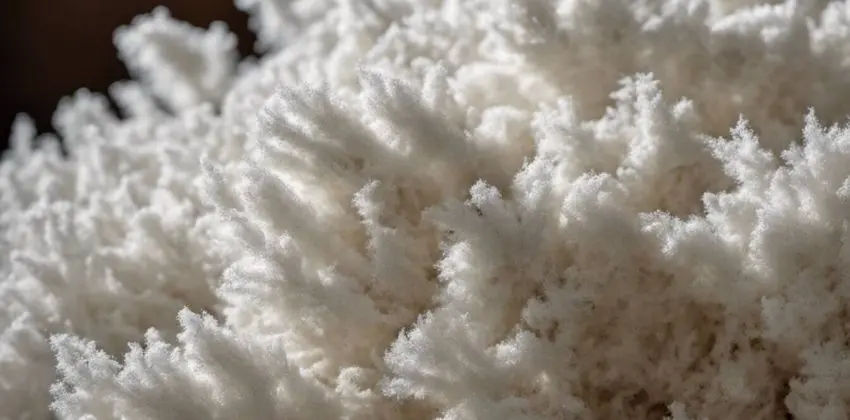
Cellulose insulation works by creating a barrier against heat transfer within the walls, ceilings, and attics of your home. It consists of loose fibers that are blown into cavities using specialized equipment. These fibers settle and create a dense layer, effectively reducing heat loss and providing efficient thermal insulation.
The R-value of cellulose insulation is approximately R-3.5 per inch of thickness, similar to other commonly used insulation materials like fiberglass. This means that cellulose insulation can provide comparable thermal resistance to other options available on the market. Some critics may argue that alternatives like fiberglass or blue-jean insulation offer better R-values. While it’s true that these materials can achieve higher R-values, it’s important to consider the overall performance of the entire system rather than solely relying on the initial R-value.
Benefits and Advantages of Cellulose Insulation
When it comes to insulating your home, cellulose insulation offers a range of benefits and advantages.
One significant advantage of cellulose insulation is its ability to act as an efficient air-blocker. By tightly filling cavities, cellulose insulation minimizes heat transfer through conduction and convection, effectively reducing energy consumption and saving you money on heating and cooling costs. Additionally, its dense structure helps prevent air leakage, making it an ideal choice for blocking drafts and improving indoor air quality.
Some may argue that other eco-friendly insulation options, such as bluejean or cotton insulation, are better choices. However, it’s important to consider that while blue-jean insulation may appear environmentally friendly due to its recycled content, the production of cotton used in blue-jean insulation can be harmful to the land. Furthermore, installing blue-jean insulation correctly can be more challenging than installing cellulose insulation, as it does not expand well enough to fill cavities effectively.
Installing Cellulose Insulation in Homes
Installing cellulose insulation requires careful planning and attention to detail to achieve optimal results. Whether you’re looking to insulate wall cavities or attic spaces, proper installation techniques are crucial for long-lasting performance and energy efficiency.
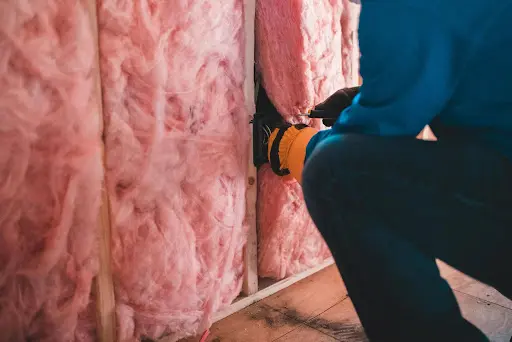
When filling wall cavities with cellulose insulation, professional contractors use specialized equipment to blow the shredded newsprint into the voids. This process ensures even distribution and maximizes coverage, effectively sealing any air gaps and providing a superior thermal barrier. By entrusting this task to experienced cellulose insulation contractors, you can rest assured that every nook and cranny of your walls will be properly insulated, resulting in increased comfort and energy savings.
Insulating attics and ceilings with cellulose is also a straightforward process when done correctly. The loose-fill cellulose insulation is blown onto the attic floor or sprayed directly onto the ceiling surface. This method creates a dense layer of insulation that prevents heat from escaping through the roof during the winter months and keeps cool air inside during the summer months. Properly insulating these areas not only improves energy efficiency but also helps prevent ice dams and reduces moisture-related issues.
It’s worth noting that cellulose insulation can retain moisture if exposed to excessive dampness or leaks over time. This could potentially lead to mold growth and durability issues. However, with proper preparation, such as sealing air leaks and fixing any potential water intrusion points, the risk of moisture damage can be mitigated. It’s essential to consult with experienced insulation professionals who understand the best practices for moisture control during installation.
Filling Wall Cavities
When it comes to insulating our homes, we often think about the attic and the ceilings as the primary areas to focus on. However, it’s important not to overlook the crucial role that wall insulation plays in maintaining a comfortable and energy-efficient home. And this is where cellulose insulation truly shines. Cellulose insulation is an excellent choice for filling wall cavities due to its ability to effectively block air infiltration. Its dense composition allows it to create a barrier against drafts, preventing unwanted air movement and sealing up any gaps or holes that might exist in your walls. By doing so, cellulose insulation can significantly reduce heat loss, keeping your home cozy and comfortable throughout the year.
Unlike foam boards that need to be precisely cut and fitted into place, cellulose insulation is blown in using specialized equipment. This allows for easier installation in existing homes without extensive renovations or removing drywall. Additionally, cellulose can conform to irregular shapes within the cavity, ensuring complete coverage and reducing the risk of thermal bridging.
Insulating Attics and Ceilings
The attic and ceilings are often the biggest culprits when it comes to heat loss and inadequate insulation. Without proper insulation in these areas, warm air can escape through the roof, leading to higher energy consumption and a less comfortable indoor environment. Fortunately, cellulose insulation is well-suited for insulating attics and ceilings, providing numerous advantages that make it a superior choice.
Cellulose insulation is highly effective at reducing heat loss through conduction and convection. Its dense composition helps block the transfer of heat from the living areas below into the attic, as well as preventing cold air infiltration from outside. By creating a thermal barrier against both conductive and convective heat flow, cellulose insulation helps maintain even temperatures throughout your home while reducing the reliance on heating and cooling systems.
When compared to other insulation materials commonly used in attics, such as fiberglass or foam boards, cellulose insulation offers superior resistance to air leakage. This means it helps prevent drafts and maintains a more consistent indoor temperature throughout the year. Its blown-in application technique also allows for seamless coverage, ensuring every nook and cranny in the attic is properly insulated.
The Cost and Long-Term Efficiency of Cellulose Insulation
When it comes to making home improvements, cost is often a top consideration for homeowners. While the initial price of cellulose insulation may be slightly higher than other options, such as fiberglass, it’s important to consider the long-term efficiency and savings that this eco-friendly solution offers. Studies have shown that homes insulated with cellulose insulation can save homeowners up to 20% on their heating and cooling costs compared to traditional fiberglass insulation. This means that over time, the savings generated by reduced energy consumption can quickly offset any additional investment made during installation.
Some homeowners may argue that the cost difference between cellulose and fiberglass insulation outweighs the potential long-term energy savings. However, it’s crucial to take into account the durability and lifespan of each material. While fiberglass insulation may have a lower upfront cost, it tends to settle over time, leading to decreased effectiveness and potential air leakage. On the other hand, cellulose insulation retains its loft and R-value for years, providing consistent thermal performance throughout its lifespan.
Trusted and Experienced Cellulose Insulation Services in Valdosta, GA
Upgrade your home’s insulation with the eco-friendly and energy-efficient solution of cellulose insulation with Efficiency Plus in Valdosta, GA. Experience superior thermal performance and reduce your energy bills while contributing to a more sustainable environment. Make the smart choice for comfort and savings. Contact us today to schedule a consultation and take the first step towards a well-insulated and environmentally conscious home. Don’t miss out on the benefits; act now and create a more energy-efficient living space for you and your family!