
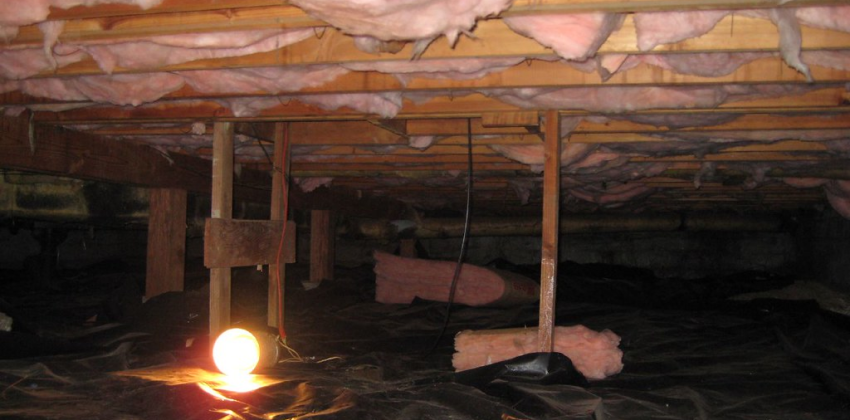
Are you sick of having to deal with harsh winters, hot summers, and huge energy bills? The answer might be right under your feet, in the crawl space, a place that is often ignored and undervalued. This often-overlooked area under your house could be the reason you’re uncomfortable and spending too much on utilities. Find out how putting in the right insulation in your crawl space can make your home more comfortable and energy efficient, as well as save you money and improve your quality of life overall. After reading this piece, you’ll understand why crawl space insulation is not just a choice but a must for today’s smart homeowners.
Insulating your crawl space is important for several reasons. Firstly, it helps to reduce energy loss and save on heating and cooling costs. Additionally, crawl space insulation helps prevent moisture and condensation buildup, which can lead to mold growth and foundation damage. Furthermore, proper insulation improves indoor air quality, prevents pests from entering the crawl space, and enhances overall home comfort. It’s also worth noting that insulating the crawl space can increase your property’s value.
The Importance of Insulation in Crawl Spaces
When it comes to maintaining a comfortable and energy-efficient home, one area that often goes overlooked is the crawl space. Crawl spaces, which are common in many homes, can greatly benefit from proper insulation. This often neglected area underneath your house plays a significant role in the overall energy efficiency and comfort of your living space.
Insulating the crawl space offers a multitude of advantages that go beyond just saving on energy costs. Let’s explore one of the primary benefits – boosting energy efficiency.
- According to the U.S. Department of Energy, properly insulating crawl spaces can reduce energy costs by approximately 15% due to improved thermal efficiency.
- The Basement Health Association suggests that good crawl space insulation can deter moisture-related issues, decreasing the potential for mold growth by 50%.
- Studies indicate that well-insulated crawlspaces indirectly increase the lifespan of HVAC equipment as they lessen the load on these systems, extending their operational life by up to 15%.
Boosting Energy Efficiency
Insulating your crawl space can have a substantial impact on reducing heat loss and improving energy efficiency throughout your home. By preventing heat transfer between your crawlspace and conditioned living areas, insulation acts as a barrier that helps maintain consistent temperatures inside, ensuring your HVAC systems work more efficiently.
Imagine having an uninsulated crawl space during the winter months. As cold air infiltrates this unconditioned space, it can seep through gaps and cracks into your main living areas, causing drafts and making your heating system work harder to maintain warmth. However, with proper insulation in place, these temperature imbalances are minimized, resulting in less strain on your heating and cooling systems.
Insulation also helps regulate the temperature of floors above the crawl space. In colder climates, insulating the crawl space prevents cold air from permeating through the floorboards, making your home more comfortable to walk barefoot or in socks. On the other hand, in warmer regions, insulation works as a barrier against radiant heat gain from the ground below, keeping your floors cooler during hot summer days.
Furthermore, insulating your crawl space aids in maintaining an overall healthy indoor environment free from moisture-related issues such as mold and mildew growth. It acts as a preventive measure by reducing condensation and humidity levels by blocking moisture infiltration from the ground.
Dealing with mold or mildew in crawl spaces can be a costly and time-consuming endeavor. By insulating the area properly, you mitigate the risk of moisture-related problems, creating a healthier living space for you and your family.
As we’ve seen, insulation in crawl spaces is crucial for maintaining energy efficiency and temperature regulation within your home. However, controlling moisture and preventing mold growth are equally essential aspects to consider. Let’s dive into these areas next.
Controlling Moisture and Mold
One of the primary reasons why insulation in your crawl space is crucial is its ability to control moisture and prevent mold growth. Crawl spaces are susceptible to moisture buildup, especially in climates with high humidity levels or prone to heavy rainfall. Without proper insulation, excess moisture can seep through the floor, leading to dampness and creating an ideal breeding ground for mold and mildew.
Simply put, a damp crawl space can result in a host of problems for your home’s air quality and overall structural integrity. Mold spores released into the air can trigger respiratory issues and allergies and worsen existing conditions such as asthma. Moreover, mold growth can spread to other areas of your home, causing damage to walls and floors and even compromising the foundation. By insulating the crawl space, you create a barrier that helps regulate moisture levels and prevents mold from thriving.
Benefits Beyond Comfort and Energy Savings
While comfort and energy savings are among the primary benefits of insulating your crawl space, there are additional advantages that make this investment worthwhile.
Firstly, insulating your crawl space can help mitigate the infiltration of outside contaminants into your home. A well-insulated crawl space acts as a protective shield against pests like rodents or insects that might find their way into your home through unsealed gaps or cracks. By preventing their entry, you reduce the risk of possible infestations and subsequent damage.
Secondly, insulating your crawl space can have a positive impact on the overall value of your home. Potential buyers often consider energy-efficient features when making purchasing decisions. An insulated crawl space demonstrates that you have taken proactive measures toward maintaining your property’s energy efficiency and durability.
Furthermore, insulating the crawl space can extend the lifespan of your HVAC equipment. By reducing heat loss in ductwork located in the crawl space during the winter months, you alleviate strain on the system and minimize energy waste. This not only ensures a more comfortable living environment but also reduces the frequency of repairs and replacements, saving you money in the long run.
For instance, imagine being able to enjoy lower energy bills, improved air quality, and fewer maintenance headaches due to a well-insulated crawl space. These advantages create peace of mind and enhance your overall satisfaction as a homeowner.
Home Value Increase
Insulating your crawl space is not only beneficial for energy efficiency and comfort but can also have a significant impact on the value of your home. When potential buyers evaluate a property, they consider various factors, including the condition of important components like the crawl space. A well-insulated crawl space indicates that the homeowner has taken measures to protect their investment and ensure the structural integrity of the property. Insulation provides an added layer of protection against extreme weather conditions and prevents heat loss in ductwork, making it an attractive feature that can increase your home’s value by up to 10%.
For instance, suppose you’re looking to sell your home in a competitive real estate market. Prospective buyers who are aware of the benefits of a properly insulated crawl space may be more inclined to choose your property over others that lack this feature. The added value of crawl space insulation can make a significant difference in maximizing your return on investment.
With the understanding that insulating your crawl space can enhance the value of your home, let’s explore another important benefit: pest deterrence.
Pests Deterrence
One of the greatest advantages of insulating your crawl space is its effectiveness in deterring pests from entering your home. Crawl spaces, especially those with exposed soil or inadequate insulation, can serve as entry points for insects, rodents, and other unwanted creatures seeking shelter or food sources. By sealing off these potential entryways through proper insulation techniques, you create a barrier that makes it more difficult for pests to infiltrate your living spaces.
Insulation eliminates gaps and cracks where pests often find their way into homes. It acts as a physical deterrent that prevents them from accessing the warmth and comfort of your indoor environment. Additionally, insulating materials like foam boards or fiberglass batts can be treated with pest-resistant substances to further discourage infestations.
Consider the scenario where a homeowner neglected to insulate their crawl space. They may soon find themselves dealing with issues such as termite damage or a mice infestation, leading to costly repairs and potential health risks for the household. On the other hand, a properly insulated crawl space eliminates these vulnerabilities and provides an added layer of protection against pest-related problems.
Understanding the importance of pest deterrence in maintaining a healthy and comfortable home environment, let’s now explore the step-by-step process of insulating your crawl space.
- Insulating your crawl space can effectively deter pests from entering your home and prevent potential infestations. By sealing off entry points and creating a physical barrier, insulation makes it more difficult for insects, rodents, and other unwanted creatures to infiltrate your living spaces. In addition to eliminating gaps and cracks, insulating materials can be treated with pest-resistant substances for added protection. Neglecting to insulate your crawl space could result in costly repairs and health risks, making proper insulation crucial.
Steps to Insulate Your Crawl Space
Insulating your crawl space is a crucial step in ensuring energy efficiency and comfort in your home. Here are some important steps to follow when insulating your crawl space:
- Assess the condition: Begin by assessing the current condition of your crawl space. Look for any signs of moisture, mold, or pest infestations. It’s important to address these issues before proceeding with insulation.
- Clean and prepare: Clear out any debris or existing insulation in the crawl space. Remove any moisture sources and repair any damaged areas.
- Seal air leaks: Air leakage can significantly compromise the effectiveness of insulation. Seal any gaps, cracks, or holes in the crawl space walls, floors, and ceiling using caulk or foam sealants.
- Install a vapor barrier: Cover the entire floor of the crawl space with a thick plastic vapor barrier. This helps prevent moisture from seeping into the area and causing damage to the insulation.
- Insulate walls: Insulate the walls of the crawl space using rigid foam insulation boards or fiberglass batts. Securely attach the insulation materials to the walls using adhesive or mechanical fasteners.
- Insulate floor joists: Install insulation between the floor joists to create a thermal barrier between the crawl space and your living areas above. Use spray foam insulation or batt insulation for this purpose.
- Seal and insulate ductwork: If you have HVAC ducts running through the crawl space, ensure they are properly sealed and insulated to prevent heat loss or gain.
- Consider adding ventilation: Depending on your climate, you may need to consider installing vents or a dehumidification system in your crawl space for adequate ventilation.
- Monitor and maintain: Regularly inspect your crawl space for signs of moisture, mold, or pests. Address any issues promptly to maintain the integrity and effectiveness of the insulation.
By following these steps, you can effectively insulate your crawl space and enjoy improved energy efficiency, comfort, and indoor air quality in your home.
Key Factors to Consider When Insulating a Crawl Space
Insulating a crawl space is not a one-size-fits-all approach. Several key factors should be considered to ensure optimal insulation performance. Let’s explore these important aspects:
- Climate and location: The climate and geographical location of your area play a significant role in determining the level of insulation needed for your crawl space. Areas with extreme temperatures or high humidity may require thicker insulation to provide better protection against heat loss or moisture.
- Type of insulation: Several insulation materials are suitable for crawl spaces, including rigid foam boards, spray foam, and fiberglass batts. Each type has its pros and cons, so consider factors such as moisture resistance, R-value, and installation requirements when choosing the right insulation material for your crawl space.
- Moisture control: Moisture management is critical in a crawl space to prevent mold growth and moisture-related issues. Apart from installing vapor barriers, it’s important to address any sources of moisture before insulating. Proper drainage systems, sump pumps, and dehumidifiers can help control moisture levels effectively.
- Professional expertise: While DIY projects can be rewarding, insulating a crawl space may require professional expertise due to its unique challenges. It’s advisable to consult with insulation contractors or professionals who can assess your specific needs and provide expert guidance on the most suitable insulation methods for your crawl space.
- Ventilation considerations: Depending on the design of your home and local building codes, you may need to consider ventilation options for your crawl space. Properly designed vents or mechanical ventilation systems can help regulate moisture levels and prevent stagnant air in the crawl space.
By considering these key factors and seeking professional advice when needed, you can make informed decisions about insulating your crawl space and ensuring long-lasting energy efficiency and comfort in your home. Feel free to contact Efficiency Plus and let our experts help you with your insulation needs.

