New Year, New Comfort: Improve Your Home Insulation for 2024
As we usher in 2024, let’s channel the spirit of renewal and improve your home insulation. Are you still living under a roof with poor insulation, battling harsh winters and scorching summers? It’s time for change – upgrade your home insulation. Just imagine curling up on your sofa, sipping on hot cocoa, feeling perfectly snug while the snow piles up outside, or relaxing in a pleasantly cool space in the summer heatwave that can mix your brain like morning porridge. Dreamy, isn’t it? In this blog post, we will guide you on how to make this comfort a reality with improved home insulation for 2024. Let’s make this year about enhanced comfort and energy efficiency – after all, why pay steep bills when you could be saving money while basking in perfect indoor temperatures? Get ready to transform your living spaces into comfort zones. Stay tuned!
How Insulation Works to Lower Energy Costs
Have you ever noticed how some rooms in your home tend to be warmer or cooler than others? Or maybe you’ve experienced a drastic increase in your energy bills during the peak winter or summer months. The culprit behind these issues could very well be inadequate insulation in your home.
Insulation works as a barrier that helps regulate the temperature inside your home. In the winter, it keeps the warm air produced by your heating system from escaping and prevents cold drafts from entering. In the summer, it blocks the hot air outside from infiltrating your cooled indoor spaces. By maintaining a consistent temperature indoors, insulation significantly reduces your reliance on heating and cooling systems, resulting in lower energy costs.
Choosing the Right Insulation Materials
When it comes to selecting insulation materials, it’s crucial to consider various factors such as climate, budget, and personal preferences. With a wide range of options available today, it can be overwhelming to determine which one is best for your home. Let’s explore some common types of insulation materials to help you make an informed decision.
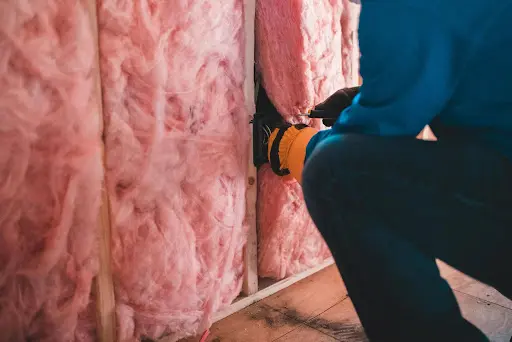
Fiberglass insulation is one of the most widely used and affordable options. It consists of small glass fibers that trap air pockets, providing excellent thermal resistance. Fiberglass insulation is relatively easy to install and can be applied in various forms including batts, rolls, or blown-in loose fill.
Another popular choice is cellulose insulation, which is made from recycled paper treated with fire retardants. It is effective in reducing air leakage and offers good soundproofing qualities. It can be blown into attics, walls, and other areas using specialized equipment.
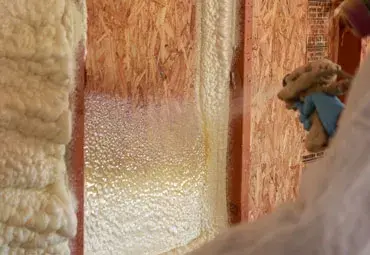
Spray foam insulation is known for its superior ability to seal gaps and cracks due to its expanding properties. It provides an airtight barrier that prevents air leakage and enhances energy efficiency. It can be used in various applications, such as attics, crawl spaces, and wall cavities.
It’s worth noting that each type of insulation material has its advantages and disadvantages. While some materials may offer greater thermal resistance, others might have better soundproofing properties. When choosing the right insulation for your home, it’s essential to consider factors such as your climate, budget, and specific insulation needs.
Now that we’ve covered the importance of choosing the right insulation materials, let’s move on to identifying your unique insulation needs within your home.
Identifying Your Insulation Needs
When it comes to improving your home insulation, the first step is to identify your specific needs. Every home is unique, and understanding where your insulation may be lacking can help you prioritize your efforts and make the biggest impact on energy efficiency.
One effective way to identify your insulation needs is to conduct a home energy audit. This assessment evaluates your home’s thermal performance, identifying areas of heat loss or gain and pinpointing potential locations for improved insulation. Professional auditors use specialized tools such as thermal imaging cameras to detect temperature variations and assess the effectiveness of your current insulation.
Another method to identify insulation needs is by examining common problem areas in homes. For example, if certain rooms feel drafty or colder than others during the winter months, it could be an indication of insufficient insulation in those areas. Similarly, if you notice a significant increase in energy bills without any obvious changes in usage, it might be a sign that your insulation is not effectively retaining conditioned air.
Additionally, consider factors such as the age and condition of your home. Older homes often have less insulation or outdated materials that are less effective at providing thermal resistance. If you live in a region with extreme climates, your insulation needs may differ from those living in more moderate environments. Considering these factors will help you personalize your approach to improving insulation.
Identifying insulation needs is not limited to tangible signs like drafts or temperature discrepancies. It’s also important to consider environmental factors that may affect your home’s energy efficiency. For example, if you live in an area prone to high winds, the chances of air infiltration through cracks and gaps in your insulation are significantly higher. By recognizing these vulnerabilities, you can target those areas for improvement, fortifying your home against wasteful energy loss.
Insulation Hot Spots in Your Home
Now that you’ve identified the importance of insulation and how it impacts your comfort and energy bills, it’s time to understand the specific hot spots in your home where insulation plays a crucial role.
Attic: One of the most significant areas for heat loss or gain is the attic. Warm air naturally rises, so if your attic lacks proper insulation, it becomes a gateway for heat to escape during colder months and enter during warmer months. Inadequate attic insulation can lead to excessive energy consumption and discomfort throughout your home.
Walls: The walls of your home are another critical area where insulation is vital. Uninsulated or poorly insulated walls allow air to infiltrate from outside or adjacent rooms, leading to uncomfortable drafts and temperature fluctuations. Properly insulating walls help maintain a consistent indoor climate, making your living spaces more comfortable year-round.
Windows and Doors: Even with new windows and doors, there can still be gaps around frames that allow conditioned air to escape and outside air to enter. These gaps allow for unwanted heat transfer, requiring your heating or cooling system to work harder to maintain desired temperatures. Sealing these areas with weatherstripping materials or using energy-efficient windows and doors can significantly improve insulation effectiveness.
Basement/Crawl Space: Many homeowners overlook the importance of insulating their basement or crawl space. However, these areas can contribute to substantial heat loss if not properly insulated. Moisture and drafts in basements can also lead to mold growth and affect the overall indoor air quality of your home.
Evaluating Current Insulation
Before you embark on an insulation project to improve your home’s comfort and energy efficiency, it is crucial to start by evaluating your current insulation. Understanding the existing state of your insulation will help you identify areas that need improvement and determine the most suitable solutions for your specific needs.
When evaluating your current insulation, take note of any signs of deterioration or damage. Are there visible gaps or cracks in the insulation? Is it sagging or discolored? These could indicate that the insulation has reached the end of its lifespan and may not be providing optimal performance.
Anecdotal evidence from homeowners who have evaluated their current insulation often reveals surprising findings. They may discover that certain rooms in their homes are colder during winter or hotter during summer despite having insulation installed. This highlights the importance of assessing the effectiveness of your insulation throughout your home, not just in a few areas.
Evaluating your current insulation is also an opportunity to identify potential problem areas where heat loss or heat gain might occur. This can include checking for air leaks around windows and doors, as well as inspecting crawl spaces and basements for proper insulation. By pinpointing these areas, you can prioritize them during your next insulation upgrade and ensure a comprehensive solution. Checking your current insulation is like taking the pulse of your home’s energy performance. It provides valuable insights into its thermal performance and helps uncover potential areas for improvement. Just as you wouldn’t ignore warning signs or symptoms of a health issue, assessing your insulation allows you to detect any red flags in your home’s energy efficiency and take action to address them.
Environment-Friendly Insulation
As we strive to make more sustainable choices in our daily lives, it’s no surprise that environmentally friendly insulation options are gaining popularity. These innovative materials not only provide effective thermal performance but also have a positive impact on the planet by reducing waste, minimizing energy consumption, and decreasing carbon footprint.
Take cellulose insulation, for instance. Made from recycled newspaper or cardboard, cellulose offers excellent insulating properties while utilizing materials that would otherwise end up in landfills. By choosing this type of insulation, homeowners can contribute to reducing waste and promoting a circular economy.
Another example of environment-friendly insulation is spray foam made from renewable resources like soybean oil or castor oil. This type of insulation not only improves energy efficiency but also reduces reliance on fossil fuels by using renewable raw materials instead.
Skeptics may argue that eco-friendly insulation options are limited in terms of availability or may come at a higher price point compared to traditional options. While it’s true that environmentally friendly products may have a slight cost premium, it’s crucial to consider the long-term benefits they offer. They can significantly reduce energy consumption and lower utility bills over time, making them cost-effective investments throughout the lifespan of a home.
Choosing environment-friendly insulation is like investing in a greener future for your home. Just as we opt for energy-efficient appliances to reduce our carbon footprint and shrink our electricity bills, eco-friendly insulation allows us to create an energy-efficient living space while minimizing our environmental impact.
Benefits of Green Insulation Materials
When it comes to improving your home insulation, choosing green insulation materials can offer a wide range of benefits that go beyond just energy efficiency. These eco-friendly options not only help reduce your carbon footprint but also contribute to a healthier and more sustainable living environment.
One significant advantage of green insulation materials is their ability to promote a circular economy. By using recycled or renewable sources, such as natural fiber insulation made from cotton, hemp, and recycled newspaper, or recycled insulation materials like cellulose and denim, you are minimizing the consumption of non-renewable resources and reducing waste. This sustainable approach plays a vital role in conserving our planet’s resources for future generations.
Moreover, green insulation materials tend to be free from volatile organic compounds (VOCs), making them an excellent choice for improving indoor air quality. Traditional insulation materials can release harmful chemicals into the air over time, negatively impacting the health of occupants. By opting for green alternatives with low or no VOC emissions, you can ensure better respiratory health for you and your loved ones.
Additionally, eco-friendly insulation materials often have excellent sound-absorbing properties. This means they can help create a quieter living environment by reducing noise pollution from outside sources or within your home. The improved acoustics not only provide a more peaceful sanctuary but can also have positive effects on concentration, sleep quality, and overall well-being.
Furthermore, green insulation options support energy efficiency by helping maintain consistent indoor temperatures throughout the year. By reducing heat transfer in winter and preventing heat gain in summer, these materials enable your heating and cooling systems to operate more efficiently while keeping your energy bills in check. The extra layer of insulation acts as a thermal barrier, ensuring that you enjoy optimal comfort every season without relying heavily on mechanical heating or cooling methods.
Advantages of Proper Home Insulation
Proper home insulation goes beyond just improving your comfort; it offers numerous advantages that can have lasting effects on both your household and the environment. From increased energy efficiency to reduced carbon emissions, investing in quality insulation is a smart choice for any homeowner.
One primary advantage of proper home insulation is its potential to significantly lower your energy costs. According to industry statistics, residential buildings account for approximately 20% of the United States’ total energy consumption. By properly insulating your home, you can reduce overall energy consumption by up to 50%. This means you’ll need less electricity or gas to keep your home at a comfortable temperature throughout the year. Consequently, this translates into substantial savings on your utility bills over time.
Moreover, adequate insulation helps maintain a consistent indoor temperature, reducing the need for excessive heating or cooling and preventing energy waste. By minimizing heat transfer through the walls, roof, and windows, insulation acts as a thermal barrier, keeping your home warm in winter and cool in summer. This means your heating and cooling systems won’t have to work as hard, resulting in longer system lifespans and reduced maintenance costs.
Additionally, another advantage of quality insulation is its ability to absorb sound. If noise pollution is an issue in your area or within your home due to loud appliances or active family members, insulation can act as a sound barrier. It absorbs sound vibrations and reduces the transmission of noise from one room to another or from outside sources. The result is a quieter living space where you can enjoy peace and tranquility.
By embracing proper home insulation practices, you not only enhance your comfort but also reduce energy consumption and contribute positively to the environment’s well-being.
So what are you waiting for? Contact us today.