
What Is Spray Foam Insulation? Benefits and Cost Savings Explained
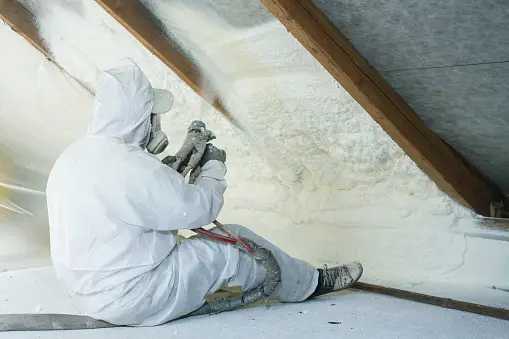
Spray foam insulation (SPF) in Thomasville, GA, is a type of insulation that consists of two components—isocyanate and polyol resin—that when combined, expand to form a solid barrier that effectively seals gaps and crevices in various surfaces. The benefits of spray foam insulation include enhanced energy efficiency due to its high R-value (ranging from 3.5 to 7 per inch), improved sound dampening qualities, structural integrity reinforcement when using closed-cell foam, and significant reduction in heating and cooling costs by minimizing air leakage.
What is Spray Foam Insulation?
Spray foam insulation (SPF) is much more than just a material; it’s a transformative solution for energy efficiency in both homes and businesses. The magic happens when two fast-reacting liquids—isocyanate and polyol resin—are mixed together. Upon application, these components expand rapidly, creating an incredibly dense foam that fills gaps and cavities with ease. This isn’t just another insulation product; it forms an airtight barrier that effectively minimizes air loss, which is a common culprit in energy drafts.
One of the standout features of spray foam insulation is its adaptability. When applied to various surfaces, such as walls, ceilings, and floors, it adheres firmly and provides excellent coverage. By rapidly expanding upon contact, it ensures that even the tiniest cracks are sealed off—an essential factor in creating a comfortable indoor environment. Homeowners often experience a noticeable difference in their heating and cooling expenses once this insulation is installed.
Another remarkable benefit is the R-value of spray foam insulation, which ranges between 3.5 to 7 per inch. This means that SPF not only has impressive insulating qualities but also outperforms traditional insulation materials like fiberglass. In simple terms, a higher R-value equals better thermal resistance against heat transfer, highlighting why this option is increasingly chosen by homeowners looking to enhance their properties’ energy efficiency.
Furthermore, SPF serves additional roles beyond just thermal insulation. Its acoustic properties allow it to act as an effective sound barrier, making it ideal for homes located in noisy environments or for reducing sound transfer between rooms such as home theaters. It also bolsters structural integrity; particularly closed-cell foam provides rigidity to walls and ceilings while simultaneously resisting moisture intrusion.
Understanding these elements can empower you as a homeowner or property manager to make choices that lead towards greater efficiency and comfort in your space.
With a solid grasp of how spray foam insulation works and its wide array of benefits, we can now explore the various advantages this innovative material brings to homeowners seeking enhanced energy performance.
Benefits of Spray Foam Insulation
The benefits of spray foam insulation (SPF) are numerous and varied, making it an attractive option for homeowners looking to improve energy efficiency and comfort. One of the most compelling advantages is its impact on energy efficiency. Studies show that up to 40% of a home’s energy loss can be attributed to air infiltration. With spray foam’s ability to create a seamless air barrier, homeowners can save as much as 15% on their heating and cooling costs annually. Imagine what you could do with those savings—perhaps finally take that family vacation or invest in home improvements!
Energy Efficiency
Not only does this airtight seal minimize drafts, but it also maintains your home’s internal temperature more effectively. This is especially beneficial in areas with extreme weather; think about how much more comfortable you would feel during scorching summers or frigid winters. Effective insulation leads to less strain on heating and cooling systems, prolonging their lifespan and reducing maintenance costs. In fact, if all single-family homes in the U.S. utilized SPF, potential savings could reach a staggering $33 billion annually in energy costs!
As we continue exploring the benefits, let’s not overlook another remarkable aspect: sound reduction.
Sound Barrier
Spray foam insulation offers more than just thermal efficiency; it also serves as an effective sound barrier. Not only does SPF help in thermal regulation, but it significantly reduces external noise pollution as well. This attribute makes it particularly useful in busy urban neighborhoods where the constant hum of traffic and activity can disrupt daily life. Imagine walking into your home after a long day, closing the door behind you, and feeling an immediate sense of peace and tranquility as outside noise diminishes.
But that’s not all; let’s move on to another essential advantage: structural integrity.
Structural Integrity
Closed-cell spray foam not only mitigates airflow but also enhances the physical integrity of your building. This type of foam adds rigidity to walls and ceilings, increasing overall structural strength—especially vital in areas prone to severe weather conditions like hurricanes or heavy snowfalls. Many homeowners appreciate this added resilience as it instills confidence in their home’s ability to withstand nature’s caprices.
This enhanced durability translates into long-term savings; by reinforcing critical structural components, you’re potentially reducing repair costs associated with weather damage down the line.
Now that we’ve examined these significant benefits, we can turn our focus toward how spray foam is applied, ensuring you understand the process thoroughly.
Cost Savings Explained
Investing in spray foam insulation is not just about maintaining a comfortable temperature in your home; it’s also about long-term cost savings that can significantly benefit your finances over time. While the upfront costs can be higher compared to traditional materials, this initial outlay is often offset by the savings you’ll see on your energy bills. With spray foam installed, you’re shielded from hefty monthly expenses that accumulate due to inefficient heating and cooling systems.
Upfront Costs vs. Long-term Savings
It’s essential to recognize that although many homeowners might balk at spending around $5,500 to insulate a single room with spray foam, this investment pays off in the long run. The reduction in energy bills can be substantial, with homeowners regularly reporting a decrease of 20-30%. This significant drop means that the savings help residents recoup their investment faster than they may have initially expected.
But how exactly do these numbers translate into real-world savings?
Case Study
Consider a typical 2,500 square foot home equipped with spray foam insulation. Homeowners in similar situations have found that they can save anywhere between $200 and $300 annually on heating and cooling costs alone compared to homes using traditional insulation methods. If you extrapolate that savings across several years, it becomes clear how quickly those initial costs turn into long-term financial relief.
While your individual experience may vary based on factors like climate and usage habits, the overarching trend remains consistent: proper insulation translates to reduced strain on HVAC systems, less frequent repairs, and importantly, lower utility bills.
With such compelling reasons to consider spray foam insulation, it naturally leads to examining how these benefits measure against other traditional options available today.
Ultimately, making an informed choice about the type of insulation you install will lead to more enjoyable living spaces in your home while enhancing energy efficiency overall. The upfront investment might be higher for superior options like spray foam, but the long-term rewards can be invaluable in creating a cozy, cost-effective environment.
To explore how spray foam insulation can transform your home into a more comfortable and energy-efficient space, contact us today to learn how spray foam insulation in Thomasville, GA can enhance your home’s energy efficiency and comfort!

