Choosing the right insulation for your South Georgia or North Florida home is one of the smartest investments you can make. The right choice means lower energy bills, consistent year-round comfort, and protection for your home’s value. With options like spray foam, cellulose, and fiberglass available, each material offers distinct advantages depending on your specific needs and budget.
At Efficiency Plus, we’ve helped over 4,000 homeowners across South Georgia and North Florida make informed insulation decisions since 2001. Let’s break down what these three popular materials offer so you can choose the option that’s right for your home.
Quick Answer: Spray foam insulation delivers superior air sealing and energy efficiency—ideal for maximum utility bill reduction and long-term performance. Cellulose insulation offers excellent soundproofing and is made from recycled materials, making it an eco-friendly choice. Fiberglass insulation provides a cost-effective solution with reliable performance. The best choice depends on your priorities: energy savings, budget, or environmental impact.
Performance Comparison: How Each Insulation Type Works
Understanding R-value—the measure of insulation’s ability to resist heat flow—helps you compare how well each material performs. In our hot Georgia and Florida summers and surprisingly cold winter nights, effective insulation makes a real difference in your comfort and energy bills.
Spray Foam: The Energy Efficiency Leader
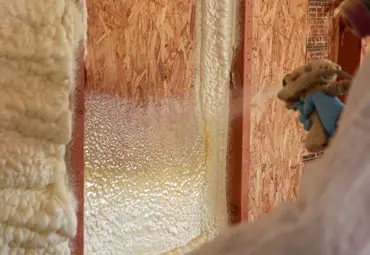
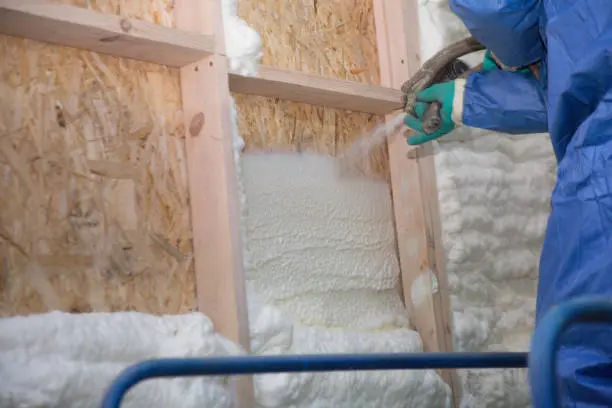
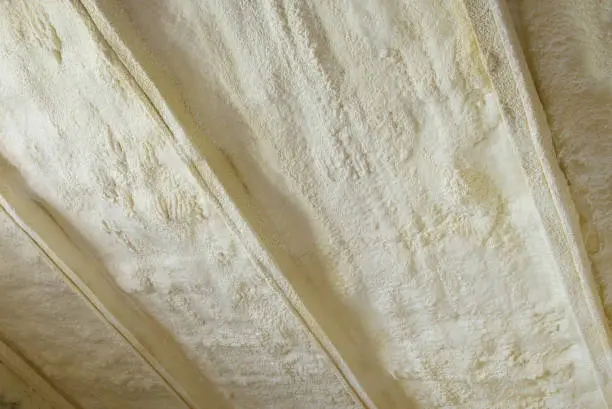
Closed-cell spray foam insulation offers the highest R-value at R-6.5 to R-7 per inch. This means it provides superior resistance to heat transfer, keeping your conditioned air inside where it belongs. During brutal summer months, spray foam prevents hot, humid air from infiltrating your home. In winter, it locks warmth inside, reducing the workload on your HVAC system.
Fiberglass: Reliable Traditional Performance
Fiberglass insulation provides R-values ranging from R-2.9 to R-3.8 per inch. While this is lower than spray foam, fiberglass remains a popular option for many homeowners. Proper installation is critical—gaps or compression can significantly reduce its effectiveness, potentially leading to drafty rooms and higher energy bills.
Cellulose: Eco-Friendly Solid Performance
Cellulose insulation averages R-3.2 to R-3.8 per inch. Made from recycled paper products, it offers environmental benefits alongside solid thermal performance. Its ability to fill irregular spaces and settle into nooks makes it effective in attics and wall cavities.
The key takeaway: while all three materials provide insulation, spray foam’s superior R-value and air-sealing properties typically deliver the greatest energy savings and comfort improvements.
Air Sealing: The Critical Difference
Beyond R-value, air sealing capability dramatically impacts your home’s energy efficiency and comfort. This is where the three insulation types differ most significantly.
Spray Foam: Complete Air Barrier
Spray foam insulation creates a virtually impermeable seal against both air and moisture. When applied, it expands to fill every crack, gap, and crevice—eliminating the air leaks that account for 25-40% of heating and cooling costs in typical homes. This complete seal means no drafts around outlets, windows, or doors, consistent temperatures throughout your home, reduced pollen and dust infiltration, and lower humidity levels.
Cellulose and Fiberglass: Partial Air Control
Both cellulose and fiberglass provide insulation value but allow some air passage. Without proper air sealing during installation, conditioned air can escape and outdoor air can infiltrate. This is especially problematic in South Georgia and North Florida, where humid outdoor air can increase cooling costs and create moisture issues.
The difference is significant: homes with spray foam insulation typically maintain more consistent temperatures with less HVAC runtime, translating to lower utility bills and improved comfort. In our service areas across Thomas, Brooks, Colquitt, Decatur, Lowndes, Grady, Cook, Mitchell, Dougherty, and Lee counties in Georgia, and Leon, Gadsden, Jefferson, Wakulla, Bay, Gulf, and Franklin counties in Florida, we’ve seen homeowners reduce their energy consumption by 30-50% after spray foam installation.
Longevity and Maintenance Requirements
Your insulation is a long-term investment—understanding maintenance requirements helps you plan accordingly and calculate true lifetime value.
Spray Foam: 80+ Year Lifespan
When professionally installed by SPFA-trained technicians, spray foam insulation can last over 80 years without losing effectiveness. It doesn’t settle, sag, or compress over time, maintaining its R-value and air-sealing properties throughout its life. This makes it essentially a “set it and forget it” solution that continues protecting your investment for decades.
Cellulose: 20-30 Year Maintenance Cycle
Cellulose insulation typically requires topping up every 20-30 years as it settles. While this doesn’t require complete replacement, it does mean periodic maintenance to maintain optimal performance. Regular inspections help ensure it remains effective, and homeowners should budget for these maintenance costs when calculating long-term value.
Fiberglass: Durable with Proper Conditions
Fiberglass offers longevity comparable to spray foam—if it stays dry and uncompressed. However, moisture exposure or compression from storage items in attics can significantly reduce its effectiveness. In our humid Southern climate, moisture protection is especially important. Fiberglass that becomes wet must be replaced, as it loses insulating value and can harbor mold.
Moisture, Mold, and Fire Safety
Your family’s health and safety should be top priorities when selecting insulation, particularly in our region’s humid climate.
Mold Resistance in Humid Climates
In South Georgia and North Florida’s humid climate, mold prevention is critical. Spray foam and fiberglass are both naturally resistant to mold growth. Spray foam’s closed-cell structure doesn’t absorb water, making it ideal for crawl spaces and areas prone to moisture. Fiberglass is inorganic and doesn’t support mold growth, though moisture can reduce its effectiveness.
Cellulose, being paper-based, can absorb moisture and potentially support mold if exposed to water leaks or high humidity. While it’s treated with borate compounds that provide some mold resistance, proper ventilation and moisture control are essential. For homes with existing moisture issues or those in flood-prone areas, spray foam typically offers the best protection.
Fire Safety Considerations
All three materials meet building code fire safety requirements when properly installed:
Fiberglass is naturally non-combustible, offering the highest inherent fire resistance. It won’t burn or produce toxic smoke, making it the safest baseline option for fire protection.
Spray foam can be treated with fire retardants during manufacturing, providing medium fire resistance. Modern closed-cell spray foam formulations include fire-resistant additives that help prevent flame spread.
Cellulose is treated with borate compounds that provide good fire resistance. These treatments help cellulose self-extinguish when exposed to flame, though it remains a combustible material at its core.
Soundproofing Performance
Reducing noise improves your home’s comfort and privacy, an often-overlooked benefit of quality insulation.
Cellulose: Best Sound Dampening
With an STC (Sound Transmission Class) rating around 44, cellulose excels at reducing noise transmission. Its density and ability to fill cavities completely make it ideal for bedrooms, home offices, or homes near busy roads. The material’s fibrous structure effectively absorbs sound waves, creating quieter interior spaces.
Spray Foam: Excellent Sound Control
STC ratings between 39-45 make spray foam another solid choice for soundproofing. Its air-sealing properties block sound waves from traveling through gaps and cracks—a significant advantage since air leaks are major pathways for noise transmission. Homeowners report noticeable reductions in outside noise after spray foam installation.
Fiberglass: Basic Sound Reduction
With STC ratings around 36-38, fiberglass provides adequate sound dampening for most applications but is less effective than cellulose or spray foam. It can reduce sound transmission between floors and rooms, though its performance depends heavily on proper installation without gaps.
Environmental Impact and Sustainability
For homeowners concerned about sustainability, insulation choices carry environmental implications both in manufacturing and long-term energy savings.
Cellulose: Lowest Manufacturing Impact
Made from up to 85% recycled newspaper, cellulose has the smallest carbon footprint during production. It diverts waste from landfills and requires less energy to manufacture than synthetic alternatives. For environmentally conscious homeowners, cellulose offers the most sustainable raw material choice.
Spray Foam: Energy Savings Offset
While spray foam is produced from petrochemicals, its superior energy efficiency helps offset its manufacturing impact over time. Homes with spray foam insulation typically use 30-50% less energy for heating and cooling throughout the insulation’s 80+ year lifespan. This dramatic reduction in energy consumption often results in a lower total carbon footprint compared to less efficient alternatives that require more energy to heat and cool the home for decades.
Fiberglass: Moderate Environmental Profile
Fiberglass contains recycled glass content but requires significant energy for production. Its environmental benefits primarily come from the energy savings it provides, though these savings are typically less substantial than those achieved with spray foam.
Making Your Decision: Which Insulation is Right for You?
The best insulation choice depends on your specific priorities, budget, and home conditions. Here’s how to decide:
Choose Spray Foam If:
- Maximum energy savings are your priority
- You want the longest-lasting solution without maintenance
- Air sealing and moisture control are concerns
- You’re insulating crawl spaces or areas prone to humidity
- You value consistent temperatures throughout your home
- Long-term ROI matters more than upfront investment
Choose Cellulose If:
- Environmental sustainability is a primary concern
- Soundproofing is important for your comfort
- You’re insulating an attic or wall cavities
- You prefer natural, recycled materials
- You’re comfortable with periodic maintenance
Choose Fiberglass If:
- You need a proven, reliable solution
- Your home has good air sealing already
- Fire resistance is your top safety priority
- You’re doing a straightforward attic or wall insulation project
Your Next Step: Free Home Evaluation
At Efficiency Plus, we don’t believe in one-size-fits-all solutions. Every home is unique, and the best insulation choice depends on your specific needs, budget, and goals.
Our SPFA-trained professionals provide free, no-obligation home evaluations throughout South Georgia and North Florida. We’ll assess your current insulation, identify problem areas, and provide honest recommendations—even if that means a less expensive option is right for you. We’ll also discuss financing options to make energy-efficient insulation accessible for your budget.
Over 4,000 satisfied customers have trusted us since 2001 to protect their homes and reduce their energy bills. Contact Efficiency Plus today to schedule your free evaluation and discover how the right insulation can transform your home’s comfort and efficiency. Contact us today!