
Have you ever buttoned your coat tightly in the face of a blizzard, hoping to keep out the cold? Foam insulation works similarly for your home, creating a barrier that helps maintain indoor comfort and reduce energy costs. This blog post explores the top five benefits of foam insulation and why investing in it is worthwhile.
Understanding Foam insulation
Foam insulation is an effective method for improving energy efficiency and reducing heat loss in your home. It involves spraying or injecting insulation into walls, attics, and other areas to create a seamless barrier against air infiltration. Unlike traditional insulation materials like fiberglass or cellulose, foam insulation expands to fill gaps and cracks, creating an airtight seal.
Imagine your home as a thermos, keeping your hot drinks warm by preventing heat from escaping. Similarly, foam insulation traps heat inside your house during colder months, acting as a protective shield. It prevents drafts and maintains the desired indoor temperature, making your home cozy and comfortable.
According to research by the United States Department of Energy, homeowners who properly insulate their homes with foam insulation can save up to 40% on heating and cooling costs. These significant energy savings can lead to substantial financial savings over time.
Different Types of Foam Insulation
Foam insulation comes in two main types: open-cell foam and closed-cell foam. Both offer excellent insulating properties but are suitable for different applications.
- Open-Cell Foam: This lightweight material contains small air bubbles and allows water vapor to pass through. It’s ideal for areas where moisture control is essential, like attics or crawl spaces. The open-cell foam also has sound-absorbing qualities, reducing noise transmission within a home.
- Closed-Cell Foam: This denser foam provides a higher R-value per inch than open-cell foam. Its tightly packed cells create superior thermal performance and act as an effective moisture barrier, making it suitable for areas prone to water damage, like basements or foundations.
Choosing between open-cell and closed-cell foam insulation depends on your needs and your home’s characteristics. Consulting with a professional insulation contractor ensures an informed decision based on your requirements, budget, and climate conditions.
The Process of Installing Foam Insulation
Installing foam insulation involves several steps to ensure maximum coverage and effectiveness:
- Preparation: Make sure the area is clean and clear of debris before applying the foam insulation. Address any existing insulation or moisture issues beforehand.
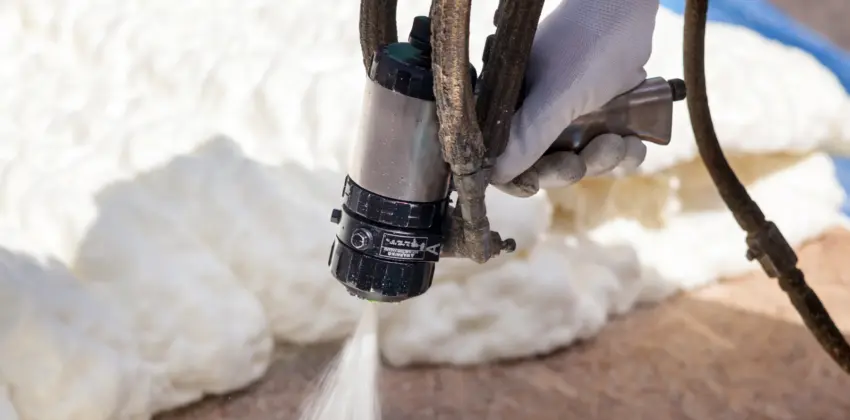
- Application: Mix or spray the foam insulation onto the designated surfaces. It expands upon application, filling gaps or voids within walls, ceilings, or floors.
- Curing: The foam undergoes a curing process, solidifying and providing an effective thermal barrier. After a few hours, you can safely reaccess the area.
Foam insulation’s ability to conform to any shape or size of cavity ensures a seamless and uniform layer of insulation throughout your home. It creates an airtight seal that minimizes air leakage and energy loss, maintaining consistent indoor temperatures.
Requirements for Insulation Installation
Certain factors must be considered for a successful foam insulation installation:
- Home Condition: Resolve any existing moisture issues before installing foam insulation. Proper ventilation is also crucial to maintain appropriate air exchange within your home.
- Safety: Handle foam insulation materials with care, following manufacturer guidelines. Protective gear like gloves, goggles, and respirators may be required.
Working with experienced and certified insulation contractors ensures the use of the right equipment, adherence to industry standards, and consideration of specific factors related to your home’s structure.
Cost-effectiveness of Foam Insulation
While foam insulation may have a higher upfront cost compared to other types of insulation, it offers long-term benefits and cost-effectiveness. With its high R-value, foam insulation provides exceptional thermal resistance, reducing heat loss or gain through your walls and roof. This means your HVAC system doesn’t need to work as hard, resulting in lower energy bills.
Foam insulation creates an effective air seal, preventing drafts and air leakage, which can account for up to 30% of heating and cooling costs. By keeping conditioned air inside your home and preventing outdoor air infiltration, foam insulation optimizes energy efficiency.
The payback period for foam insulation typically ranges between five to six years. After that, the energy savings and reduced maintenance costs provide significant financial benefits. Foam insulation’s durability and longevity mean you won’t have to spend money on re-insulating your home in the near future, saving you even more in the long run.
Energy Savings and Affordability
Foam insulation provides substantial energy savings and enhances affordability for homeowners. By optimizing energy efficiency and reducing heat transfer, foam insulation creates a more comfortable indoor environment while decreasing utility bills.
Foam insulation forms an airtight barrier that seals gaps and cracks in your home’s structure. This prevents drafts, maintains consistent indoor temperatures, and allows your HVAC system to operate more efficiently, saving energy.
Foam insulation can result in energy savings of up to 50%, directly translating into lower utility bills. Additionally, it helps maintain a consistent indoor humidity level, preventing moisture-related damage to your home’s structure and avoiding costly repairs.
Highlighted Benefits of Foam Insulation
- Superior Air Seal: Foam insulation creates a tight barrier, preventing air leaks or drafts and maintaining a constant indoor temperature. This reduces the workload on your heating and cooling systems, resulting in substantial energy savings.
- Sound Barrier: Foam insulation is an effective sound barrier, reducing noise transmission between rooms and blocking out external noises. This creates a quieter and more peaceful living environment.
- Consistent Temperature: Foam insulation provides consistent temperature control throughout your home, eliminating drastic temperature differences between rooms or areas.
- Moisture Barrier: Foam insulation creates a moisture barrier, preventing water from seeping in through cracks and protecting your home from mold growth, rotting wood, and structural damage.
Foam insulation offers numerous benefits, including energy savings, improved comfort, noise reduction, and protection from moisture. While it may have a higher upfront cost, the long-term benefits and cost-effectiveness make it a worthwhile investment for homeowners. Foam insulation ensures a comfortable and energy-efficient home by creating a seamless barrier against air infiltration and maintaining consistent indoor temperatures.
Ready to Improve Your Home’s Comfort and Efficiency?
If you’re ready to experience the numerous benefits of foam insulation, contact Efficiency Plus today! We specialize in providing top-notch insulation services that will keep your home comfortable and energy-efficient. Give us a call at 229-403-9486 to schedule your consultation and start saving on your energy bills!